Costa Rica has long been celebrated for its lush rainforests, dramatic volcanoes and postcard-perfect coastlines, but this small Central American nation offers far more than sandy beaches and jungle canopies. From bubbling thermal springs to bustling city markets, the country rewards travellers who venture beyond the obvious. This article takes you through the natural wonders, coastal escapes and urban culture that make Costa Rica such a compelling destination, with a particular focus on the often-overlooked charms of the capital, San José.
Key takeaways
- Costa Rica offers a diverse range of experiences, from volcanic landscapes and tropical rainforests to serene beaches and vibrant urban culture.
- The Arenal Volcano and La Fortuna region are premier destinations for adventure activities like zip-lining, hiking, and relaxing in natural thermal hot springs.
- Coastal areas such as Manuel Antonio and Puerto Viejo provide a mix of stunning beaches, surfing opportunities, and unique wildlife encounters in national parks.
- Cahuita and Corcovado National Parks serve as critical hubs for biodiversity, hosting rare species like jaguars, sloths, and scarlet macaws.
- San José, the capital, features a cooler climate and is a cultural center offering historical architecture, museums, and authentic local cuisine at the Mercado Central.
- Visitors to the capital can explore its colonial heritage through walking tours of neighborhoods like Barrio Amón and enjoy world-renowned Costa Rican coffee.
Natural Wonders and Volcanic Adventures in Costa Rica
No trip to Costa Rica feels complete without a visit to one of its iconic volcanoes, and the country delivers plenty of choice for those keen to witness the raw power of nature. The landscape here is shaped by tectonic activity, giving rise to dramatic craters, steaming vents and fertile valleys that support an extraordinary range of wildlife.
Discovering arenal volcano and its spectacular surroundings
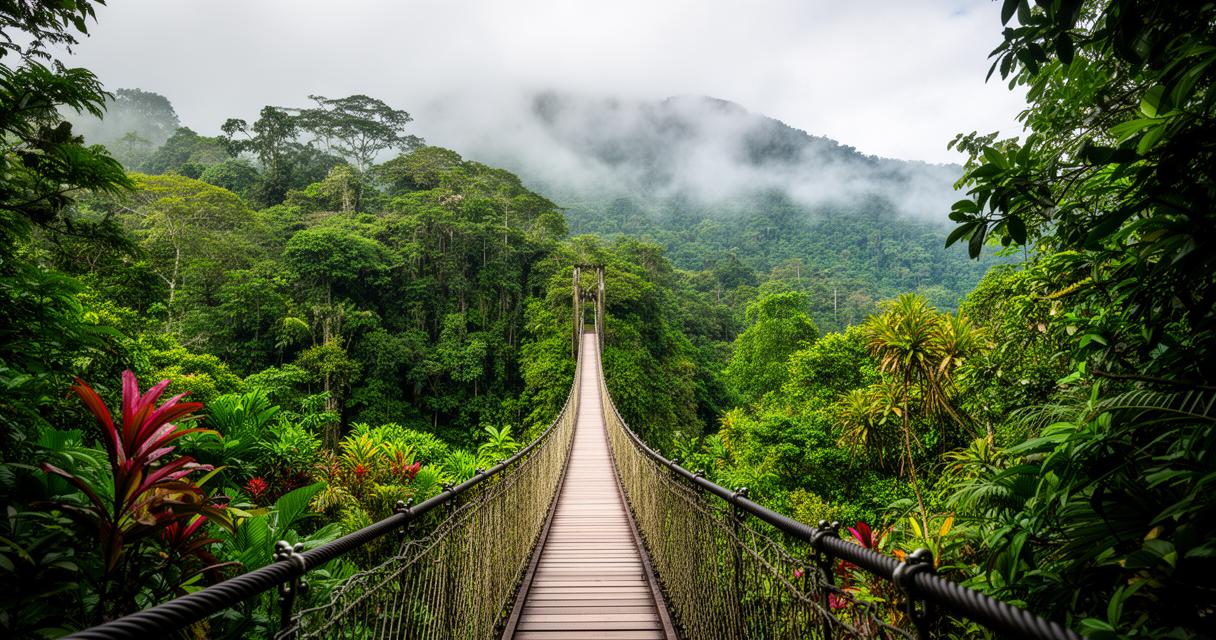
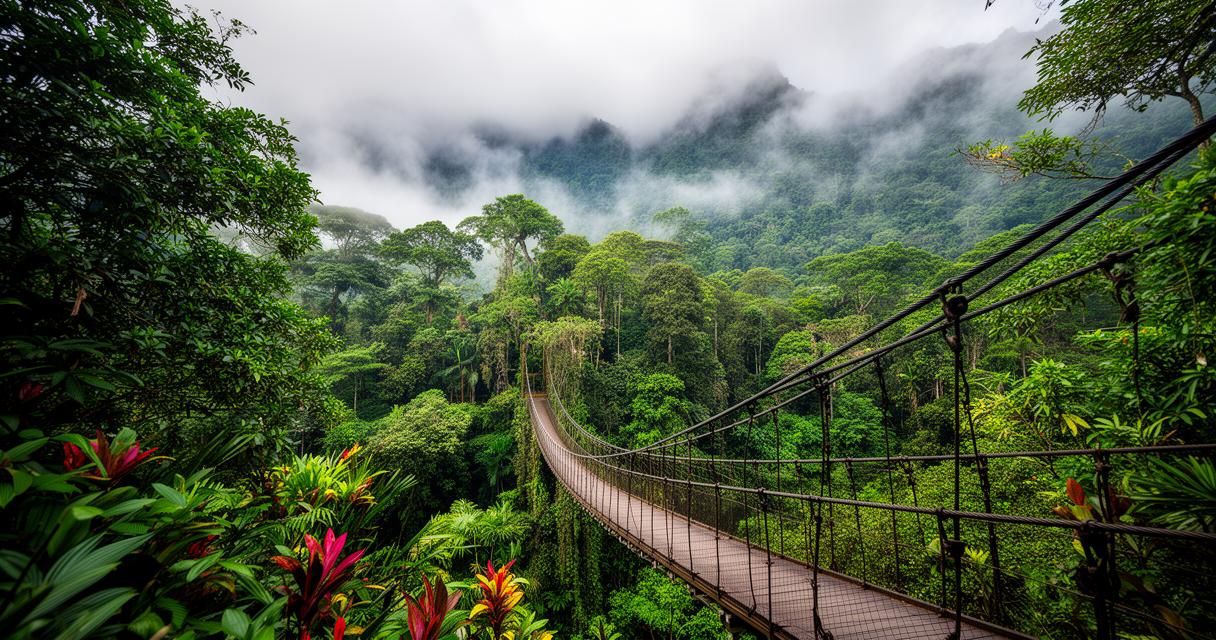
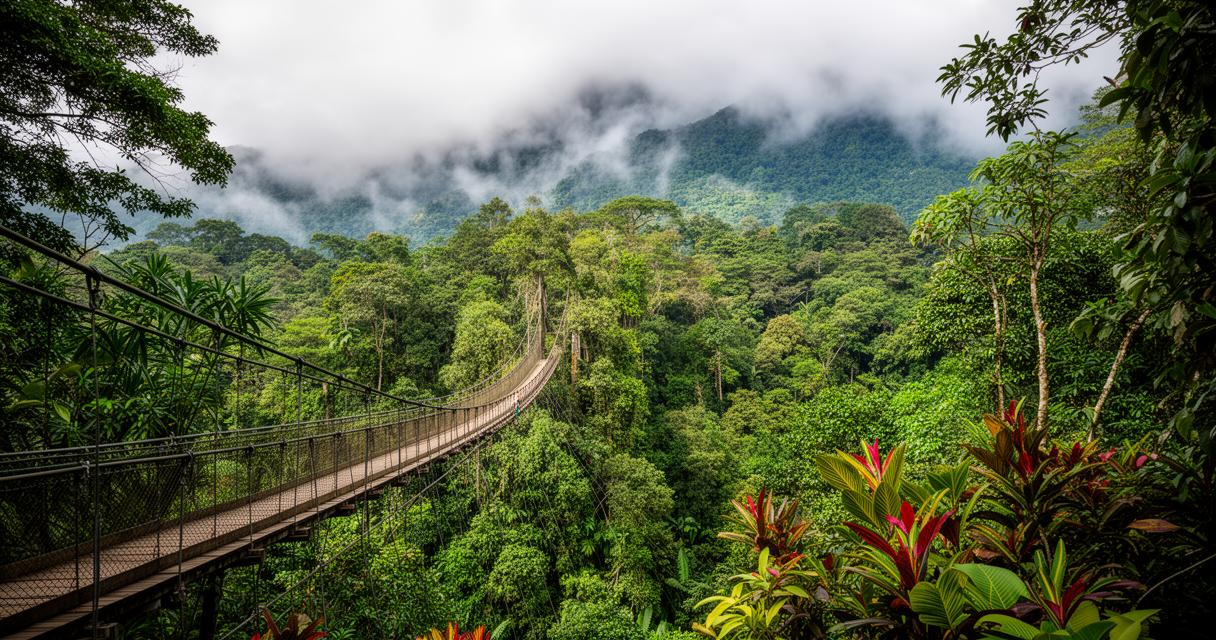
The Arenal Volcano region remains one of the most popular stops for visitors, offering breathtaking views alongside a huge variety of activities. Hikers can follow trails that wind through dense forest before opening onto panoramic viewpoints, while more adventurous types might try zip-lining over the treetops, soaring above the canopy for a bird's eye perspective of the valley below. The area surrounding Arenal is also home to hanging bridges that allow walkers to cross ravines at height, bringing them eye to eye with toucans, monkeys and countless other species that call this ecosystem home.
Thermal Waters and Rainforest Expeditions in La Fortuna
Nearby, the town of La Fortuna serves as a gateway to natural hot springs, where volcanically heated water creates the perfect spot to unwind after a day of exploring. Beyond relaxation, this region also offers excellent opportunities for rainforest expeditions, with guided walks revealing hidden waterfalls and rare flora. For travellers wanting to see Costa Rica's volcanic activity from a different angle, the Poás Volcano National Park lies roughly ninety minutes from San José and features one of the largest craters in the world. The volcano has experienced eruptions between 1955 and 2017, and visitors have around an eighty-five per cent chance of glimpsing the crater clearly between March and November, alongside a wealth of birdlife and cloud forest vegetation.
Beach bliss and coastal escapes along costa rica's shores
Once the volcanoes have been ticked off, most visitors head towards the coast, where Costa Rica's reputation for stunning beaches truly comes into its own. Whether on the Pacific or Caribbean side, the shoreline offers a dramatically different pace of life, ideal for slowing down after days of hiking and adventure sports.
Manuel Antonio and Puerto Viejo: Sun, Sand, and Serenity
Manuel Antonio combines pristine beaches with a compact national park where sloths, monkeys and iguanas often appear just metres from the sand. On the opposite coast, Puerto Viejo offers a laid-back, reggae-infused atmosphere with excellent surf breaks and a strong sense of Afro-Caribbean culture. Both destinations provide the kind of serenity that makes it easy to while away entire afternoons doing very little at all, though those craving more activity will find plenty of surfing, kayaking and jungle walks nearby.
Cahuita national park: caribbean charm and unique wildlife
Further along the Caribbean coastline, Cahuita National Park stands out for its combination of coral reef, rainforest and beach in one compact area. Wildlife here includes howler monkeys, sloths and a dazzling array of birds, while the calm, clear waters make it a favourite for snorkelling. Those keen to explore Costa Rica's biodiversity further afield often venture south towards Corcovado National Park, frequently described as one of the most biologically intense places on Earth, home to tapirs, scarlet macaws and even elusive jaguars roaming through its varied ecosystems.
Cultural Immersion and Urban Exploration in San José
While beaches and rainforests dominate most itineraries, San José itself deserves far more attention than it typically receives. As Costa Rica's capital and largest city, it sits within the Central Valley at an altitude of around eleven hundred and fifty metres, giving it a notably cooler climate than the coast, with temperatures generally ranging between seventeen and thirty degrees Celsius and humidity hovering around sixty-eight per cent throughout the year. Located roughly twenty-five minutes from SJO airport, the city makes an easy and logical starting point for any Costa Rican adventure.
Savouring local cuisine and discovering costa rican heritage
San José has earned a reputation as one of the safest cities in Latin America, and its friendly locals, vibrant nightlife and rich cultural scene make it well worth lingering in for a few days. A historical walking tour through neighbourhoods such as Barrio Amón and the Otoya district reveals elegant colonial architecture alongside significant landmarks including the National Theatre, which opened its doors in 1897, and the striking Metallic School. For a true taste of local life, the Mercado Central, established in 1880, remains an essential stop, offering everything from strong Costa Rican coffee and chocolate to classic dishes like tortillas and ceviche. Along Avenida Central, visitors will find an abundance of museums, shops and restaurants, including popular spots such as Café Rojo and Restaurante Wong's, both offering diverse dining experiences that showcase the city's culinary range. Coffee enthusiasts should also consider a trip to the Doka Estate, renowned for its Arabica bean production, with around ninety per cent of its harvest reportedly destined for a well-known Seattle roastery supplying Starbucks.
Planning your visit: best times, practicalities, and local tips
For those wanting a deeper dive into culture, San José's museums offer excellent value and insight. The National Museum charges eleven dollars for adults and is free for children under twelve, while the Pre-Columbian Gold Museum and the Jade Museum offer fascinating collections for around sixteen dollars each. Families might enjoy the Children's Museum, and culture lovers seeking something free of charge can visit the Museum of Contemporary Art and Design, open Tuesday to Saturday. Guided tours of the National Theatre are also available for a modest fee, providing insight into one of the city's most treasured buildings. When it comes to accommodation, options range widely, from the budget-friendly Hotel Aranjuez to the more upscale Hotel Presidente and the historic Gran Hotel Costa Rica, which sits directly across from the National Theatre. Shoppers looking for souvenirs should head to the Municipal Crafts Market, while those wanting a more authentic local experience will find it at Mercado Central. Ultimately, balancing a few days in San José with time spent among volcanoes, rainforests and beaches offers the most complete picture of what makes Costa Rica such a rewarding travel destination.